What Are THC Concentrates?
THC concentrates are cannabis-derived products in which cannabinoids and terpenes have been extracted and concentrated to create a more potent product than traditional flower. By removing much of the excess plant material and focusing on the desired compounds, concentrates deliver a richer cannabinoid and terpene profile in a smaller amount of product. Depending on the extraction method and finishing process used, concentrates can vary in texture, consistency, appearance, and cannabinoid content.
Popular concentrate types include wax, badder, budder, crumble, shatter, live resin, sugar wax, diamonds, and rosin. Some concentrates are soft and creamy, while others may be brittle, crystal-like, or sticky in texture. Each type offers its own unique characteristics, making concentrates a diverse category for consumers exploring hemp-derived cannabinoid products.
Many modern concentrates feature cannabinoids such as THCA, Delta-8 THC, Delta-9 THC, and THCP, often paired with terpene-rich formulations that help preserve flavor and aroma. Because concentrates contain higher levels of cannabinoids than traditional flower, they are generally favored by experienced consumers seeking potent, flavorful products. Whether used in dab rigs, vaporizers, or compatible concentrate devices, THC concentrates remain one of the most popular categories for consumers looking for a premium hemp-derived experience.
They are typically categorized by:
Texture
Extraction method
Purity level
Terpene content
Intended consumption method
Main Types of THC Concentrates
1. Shatter
Shatter is a popular THC concentrate known for its transparent, glass-like appearance and brittle texture. Unlike softer concentrates such as wax or badder, shatter is firm and breaks or "shatters" into pieces when handled, which is how it gets its name. This concentrate is valued for its purity, potency, and long shelf stability when stored properly. Shatter is typically rich in cannabinoids and may also retain flavorful terpenes depending on the extraction process used. Available in cannabinoid formulations such as THCA, Delta-8 THC, Delta-9 THC, and blended concentrates, shatter remains a popular option among experienced consumers seeking a potent and concentrated hemp-derived product.
2. Wax / Budder / Badder
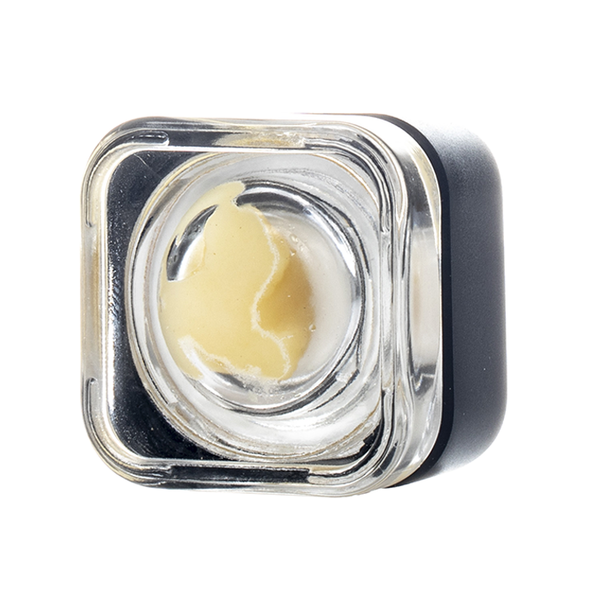
Wax, budder, and badder are popular THC concentrate varieties known for their soft, pliable textures and terpene-rich profiles. While each has a slightly different consistency, they are generally easier to handle than harder concentrates like shatter. Wax typically has a thicker, crumbly texture, while budder and badder feature a smoother, creamier consistency that resembles whipped butter or frosting. These concentrates are often prized for their rich flavor, aromatic terpene content, and smooth consumption experience. Available in formulations featuring cannabinoids such as THCA, Delta-8 THC, Delta-9 THC, and THCP, wax, budder, and badder are popular choices for consumers seeking flavorful, high-potency concentrates with enhanced terpene profiles.
3. Live Resin
Live Resin is a premium concentrate made from freshly harvested cannabis or hemp plants that are flash-frozen immediately after harvest rather than dried and cured. This process helps preserve a higher concentration of naturally occurring terpenes and cannabinoids, resulting in a product known for its robust flavor, rich aroma, and strain-specific characteristics. Live resin is highly valued by consumers who prioritize taste and terpene expression, as it often delivers a more authentic representation of the original plant profile. Available in formulations featuring cannabinoids such as THCA, Delta-8 THC, Delta-9 THC, and THCP, live resin remains one of the most sought-after concentrate types for those seeking a flavorful and terpene-rich experience.
4. Rosin
Rosin is a solventless cannabis concentrate created by applying heat and pressure to hemp or cannabis flower, hash, or kief to extract cannabinoids and terpenes naturally. Because no chemical solvents are used during the extraction process, rosin is widely regarded as one of the cleanest and most natural concentrate options available. This method helps preserve the plant’s original terpene profile, resulting in a flavorful and aromatic concentrate that reflects the characteristics of the source material. Rosin is available in a variety of consistencies ranging from sap-like to creamy and is popular among consumers who prefer solventless products. Known for its purity, rich flavor, and cannabinoid content, rosin remains a premium choice for those seeking a high-quality hemp-derived concentrate experience.
5. Distillate
Distillate is a highly refined cannabis concentrate created through an extensive purification process that isolates specific cannabinoids, often resulting in a product with very high cannabinoid potency. During refinement, many of the plant's natural compounds, including terpenes, are removed, producing a clean and nearly flavorless extract. Because of its purity and versatility, distillate is commonly used in vape cartridges, disposable vapes, edibles, tinctures, and infused hemp products. Manufacturers often reintroduce terpenes to create strain-inspired flavor profiles and enhance the overall experience. Available in formulations containing cannabinoids such as Delta-8 THC, Delta-9 THC, THCA-derived cannabinoids, and THCP blends, distillate remains one of the most widely used concentrate types in the hemp industry due to its consistency, potency, and adaptability.
6. Crumble
Crumble is a popular THC concentrate recognized for its dry, crumbly texture and light, honeycomb-like appearance. As the name suggests, this concentrate easily breaks apart when handled, making it convenient to portion and use. Crumble is often produced through extraction methods that preserve a strong cannabinoid content while creating a less sticky consistency than wax or badder. Many consumers appreciate crumble for its ease of handling, versatility, and terpene-rich flavor profile. Available in formulations featuring cannabinoids such as THCA, Delta-8 THC, Delta-9 THC, and THCP, crumble remains a favorite among concentrate enthusiasts looking for a potent product with a texture that is simple to work with and suitable for a variety of consumption methods.
How THC Concentrates Are Categorized
By Extraction Method
Solvent-based (e.g., butane, CO₂ extraction)
Solventless (e.g., rosin)
By Potency
Standard concentrates (high THC)
Ultra-refined concentrates (very high THC, often distillates)
By Terpene Content
High-terpene (flavor-rich, aromatic)
Low-terpene (more neutral, THC-focused)
By Texture
Brittle (shatter)
Soft (wax, budder)
Liquid (distillate oils)
Key Characteristics
High potency: Often much stronger than cannabis flower
Fast onset: Effects typically come on quickly
Small dose usage: A small amount goes a long way
Varied experience: Flavor, aroma, and effects depend heavily on extraction method
General Considerations
Legal status varies widely by location
Potency can increase risk of overconsumption
Product quality varies depending on extraction standards
Storage matters: heat, light, and air can degrade concentrates

 Sale
Sale


 Sale
Sale
 Sale
Sale